You are seeing the paginated version of the page.
It was specially created to help search engines like Google to build the proper search index.

Click to load the full version of the page
Les femmes dans la Révolution américaine — Anglais
[Conférence] Dans le cadre de l'événement "Célébrer l'indépendance des États-Unis en Auvergne-Rhône-Alpes", organisé par la DRAREIC de l'Académie de Lyon, Agnès Delahaye met en lumière le rôle des femmes dans la Révolution américaine.
Original link
Commemorating the story of independence: French and American representations of the American Revolution and independence — Anglais
[Conférence] As part of the event “Celebrating US Independence in Auvergne-Rhône-Alpes”, organized by the DRAREIC of the Académie de Lyon, Aurore Portet analyses the ways archetypes are created through visual representation and the three waves of pictorial representations of the American Revolution.
Original link
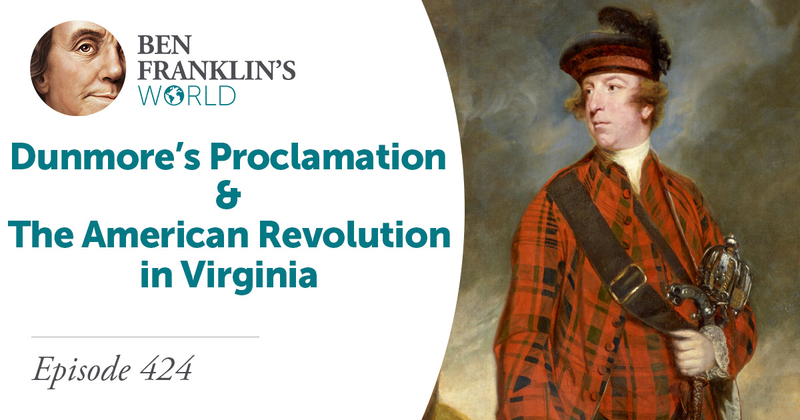
Episode 424: Andrew Lawler, Dunmore's Proclamation & the American Revolution in Virginia
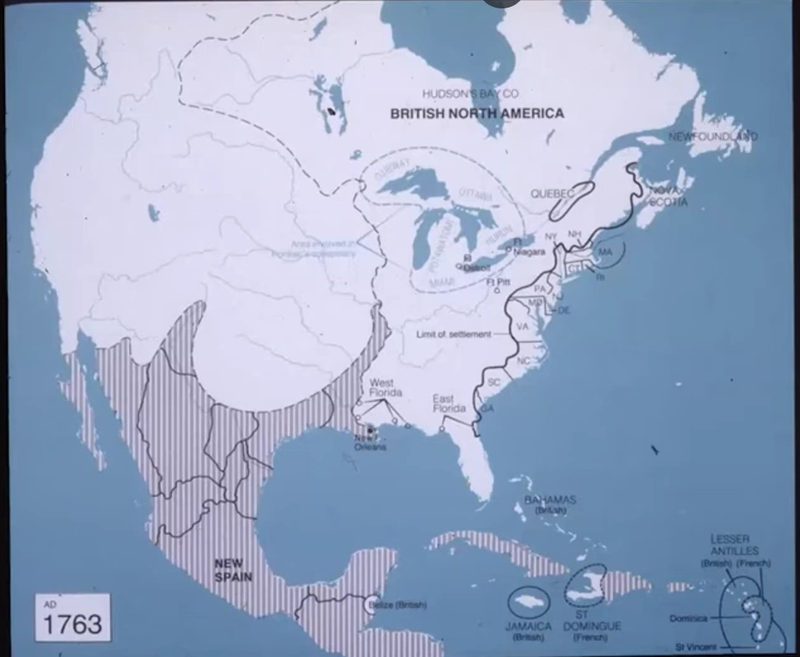
Dunmore's war in Shawnee country (against proclamation line)
Gunpowder incident (a few days after Lexington/Concord): milestone event in Virginia’s turn towards revolution
1st bloodshed south of Massachussetts: patriots wanted an escaped slave back (pilot)
Dunmore Proclamation 7th November 1775
Reactions: Patriots outraged - Ethiopian regiment (Nov 75 - August 76). He allowed the families to come. Commitment (until after the war).
August 76: Regiment ousted. dunmore took them to NY--> battle of long island. Absorbed into the British army
Declaration copied by British generals (Clinton)



Original link
Episode 144: Robert Parkinson, The Common Cause of the American Revolution
method of news gathering
Unity (race)
10 percent of Continental army = african american
Diversity not publicised

Original link
Making "the cause" common: Race and Nation in the American Revolution
Ideas (=front page) are NOT the cause of revolution.
Inside pages = stories about the role of African Americans in the war. Everybody is writing the same thing.
1st phase (American Revolution): good colonists who liked freedom should fight to protect it (natural rights). =Positive
2nd phase (Revolutionary war): war as an effect of the revolution (Adams said that; Parkinson disagrees). The argument changed: union= weak. Need to strenghthen it with common cause agreement --> embracing fear/exclusion/prejudice against Blacks + Indians through the press
Prejudice isn't new but it's now politicised.
People invested in the Patriot mvt put the stories there.
Feast on a bostonian and drink his blood.
At the heart of the Declaration: delegates edit Jefferson's draft where it shifts from AR to Revolutionary war: the king has assistance in slaves and Indians
rare mentions of indian allies (oneida, tuscarora)
Original link
 
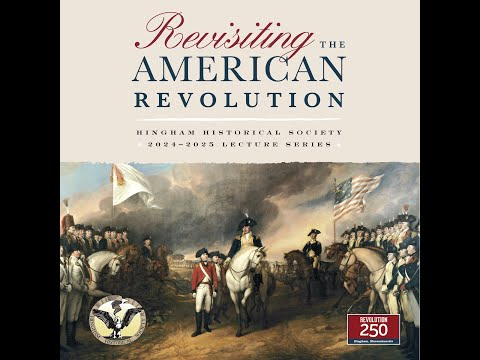
Revisiting the American Revolution: Making Thirteen Clocks Strike as One with Robert G Parkinson
James Somerset case 72: by bringing slave to England, he was freed
some patriots are embarking on the patriot mvt to get rid of slavery

Original link
Liberty is Sweet: The Hidden History of the American Revolution
Original link
Abigail Adams: A Lecture By Woody Holton
Original link
American Revolution - Native Americans, African-Americans, and Women - Woody Holton
Standing army = NOT for the debt but to defend colonists // Indians
Original link