Agrégation
Titus Andronicus: Key quotations | Astor Library Study Guide
Key quotations from Titus Andronicus with their speakers, references and explanations.
Original link
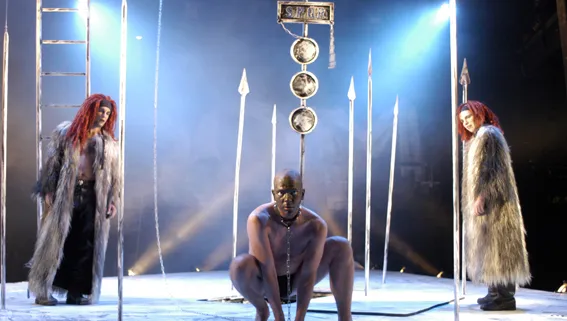
Introduction to "Titus Andronicus" - The Shakespeare 2020 Project
- Doubling the revenge plots
- what it means to be a sexually desiring man / woman : makes you appear monstruous
- mixed-race baby: very modern
- Chiron and demetrius: age ?
- What is Lavinia doing when Titus prepares the banquet ?
Original link
Titus Andronicus as the Gateway Drug with Ayanna Thompson
Intéressant.

Original link
English Faculty / OWC Shakespeare webinar with Professor Emma Smith: Titus Andronicus
Original link
Titus Andronicus: Trauma in Shakespeare and Early Modern Theatre
Chiant
Original link
The Play Podcast - 103 - Titus Andronicus, by William Shakespeare
Sympa mais pas hyper intéressant
Original link
BBC Audio | In Our Time | Is Shakespeare History? The Romans
Melvyn Bragg discusses the impact of Shakespeare's approach to history (programme 2 of 2).
Original link
Titus Andronicus
INTERESSANT
A propos de Marcus ' s speech
- Ovid --> bringing the book on scene, making the source visible - tragic question of agency: how much agency do humans have given the fact that the story has already been written ?
- Overlap dramatist / villain: doing bad things with sources (perverting Ovid's Philomel)
- Ovid is the handbook of L's rape + its revelation
- Cannibalism: metaphor fot the way the play has digested its sources
- Lavinia's fate pre written in classical texts.
When the characters seem to be taking their most decisive actions --> pupetted by texts
- Blason --> recasting of violence made to Lavinia as love poetry
- stage direction (what can be shown: tongue + stumps / what cannot: rape). Cf moment when she is taken offstage by Chiron and Demetrius : we are taken to a "loathsome pit": synecdote for the rape. L's brothers take the role of Chiron and Demetrius --> everyone wants to rape her
- Lavinia is always running but cannot escape the gaze of the audience
- Marcus's failure to respond empathetically --> part of a pattern which dehumanises Lavinia and turns her into symbol.
- 1st scene: brothers fighting for 1/ throne 2/ Lavinia --> she embodies Rome
Marcus's speech: apostrophe to the Roman state itself. Cf rhetoric of Marcus at the end: "let me teach you how to knit again these broekn limbs into a body" : body politics
- cf Rome: feminine pronoun
- "conduits" "rivers": non human (Rome)
- Catharsis: inspire pity + fear (= we engage with the characters)
- Marcus = onstage audience to violence made to L
- disregard to reassurances usually offered by tragedy: the appeal of this tragedy is not that it prompts pity/fear, but it allows us to suspend empathy and be entertained by others' sufferings
Original link
Words, Language and Actions in ‘Titus Andronicus’: A Conversatio…
Intéressant
-"honor" used about 60 times
-Lavinia = feminine personification of her family. Rape= destruction of the Andronici
- "put a head on headless Rome", but dismemberments all through the play
- we are not told what happens to the baby (Taymor killed it in a previous Broadway production)
- heads scene: each Andronicus leaves the stage carrying a head or hand (even Lavinia)
- Language changes with bodies (new ways to communicate meaning) --> Lavinia still uses mouth + hands to expose her rapists
- scene when MArcus discovers Lavinia: heavily cut. Greek chorus moment (explains what happened) + attempt to heal Lavinia through language
Original link